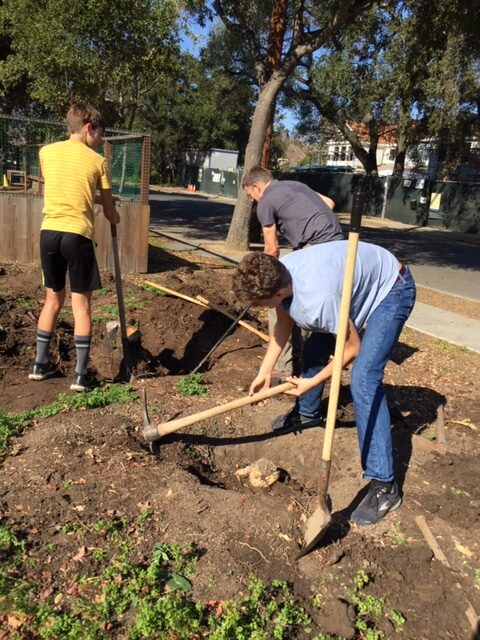
During the pandemic, when church members were unable to gather inside the building, the Christian Education Committee of First Presbyterian Church Palo Alto, offered children and families an opportunity to create a pollinator garden. The goal of this project was to provide an outdoor intergenerational activity, to engage in a social justice issue, and to reflect upon the work theologically.
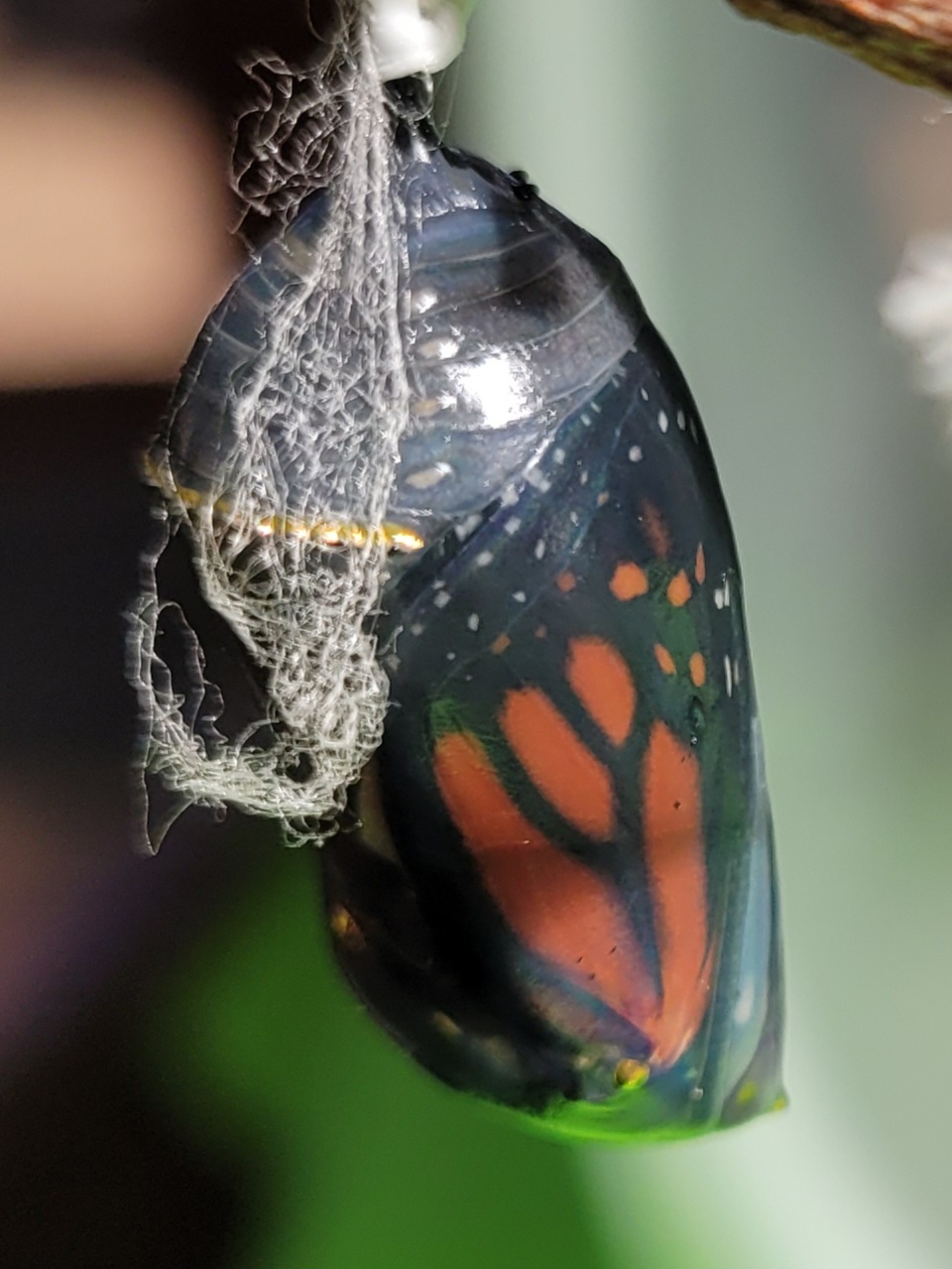
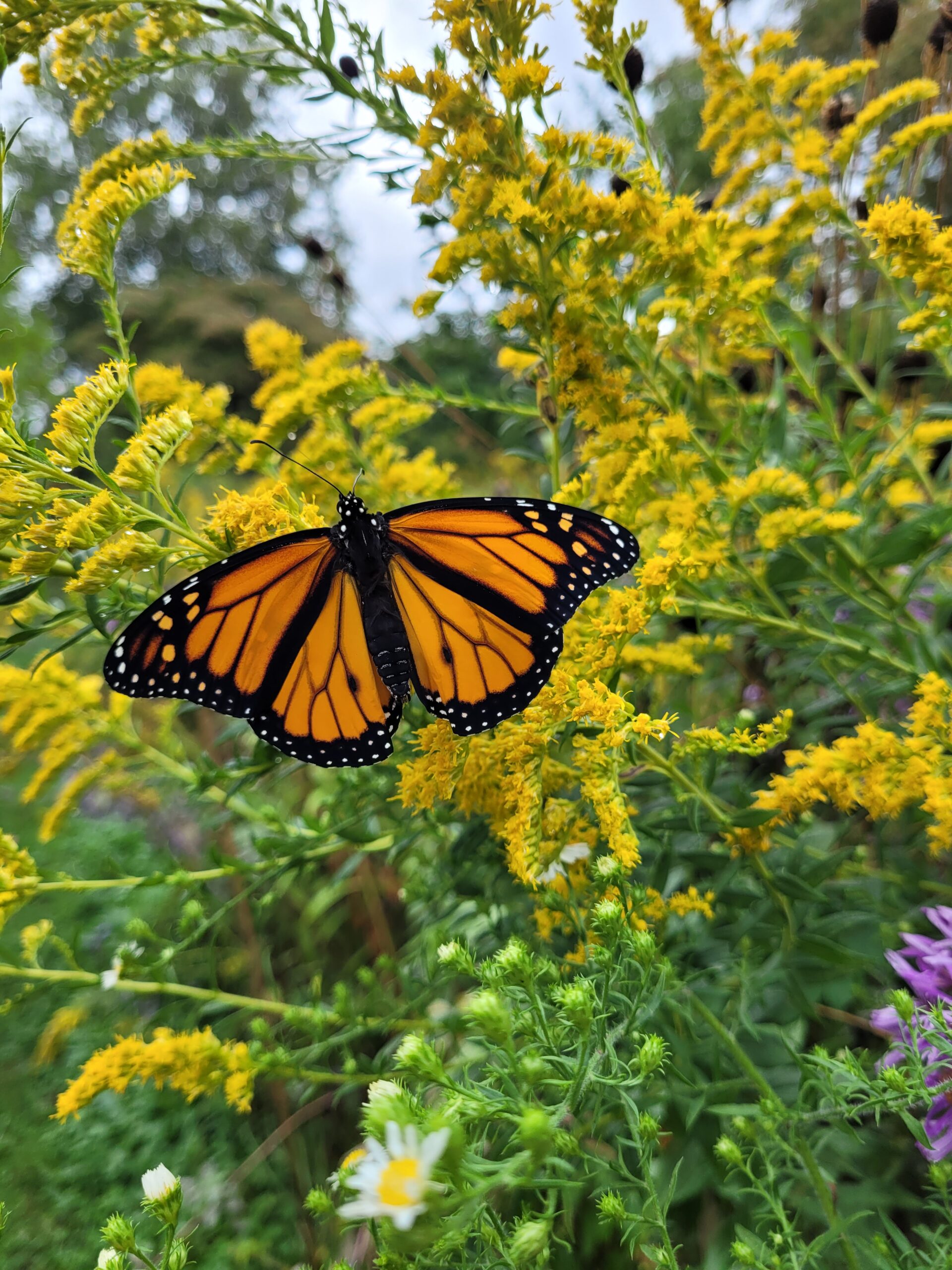
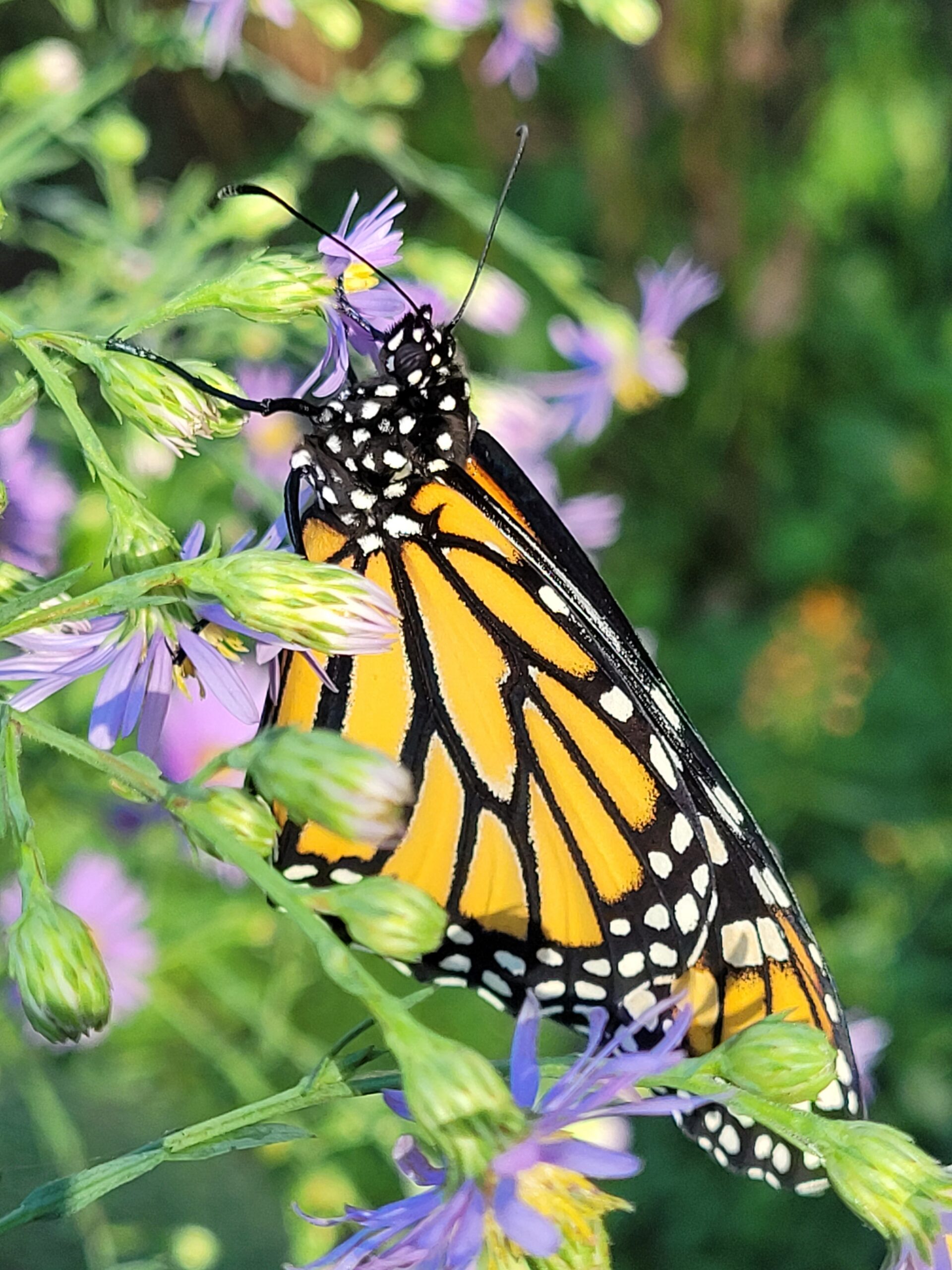
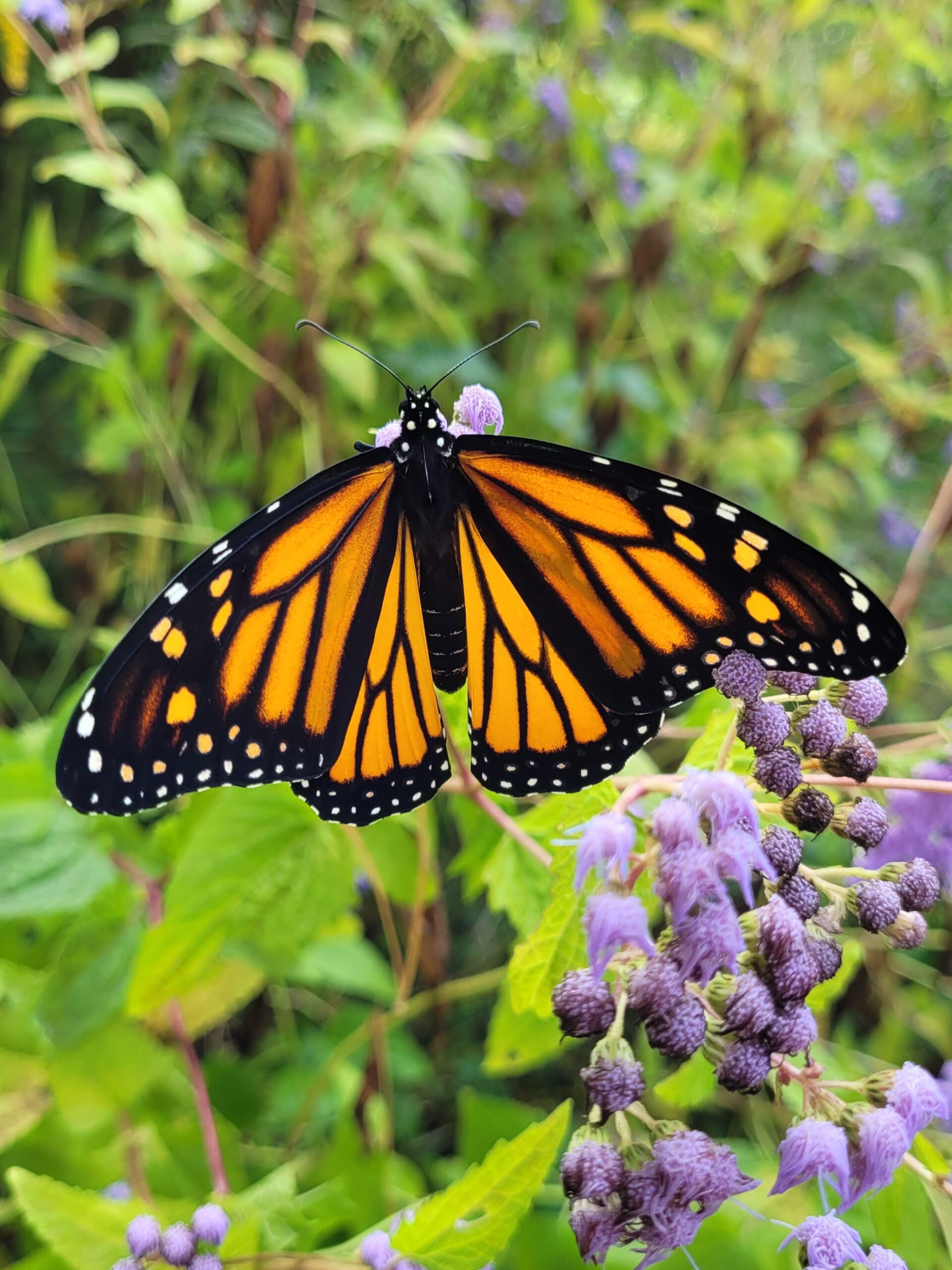
While monarchs are not yet listed as an endangered species, their numbers have dropped dramatically and alarmingly over the past decade. In 2024, the US Fish & Wildlife Services proposed a rule to list the monarch as threatened under the Endangered Species Act. While this does not take effect immediately, it marks an important step toward listing the brilliant orange and black butterfly as endangered.
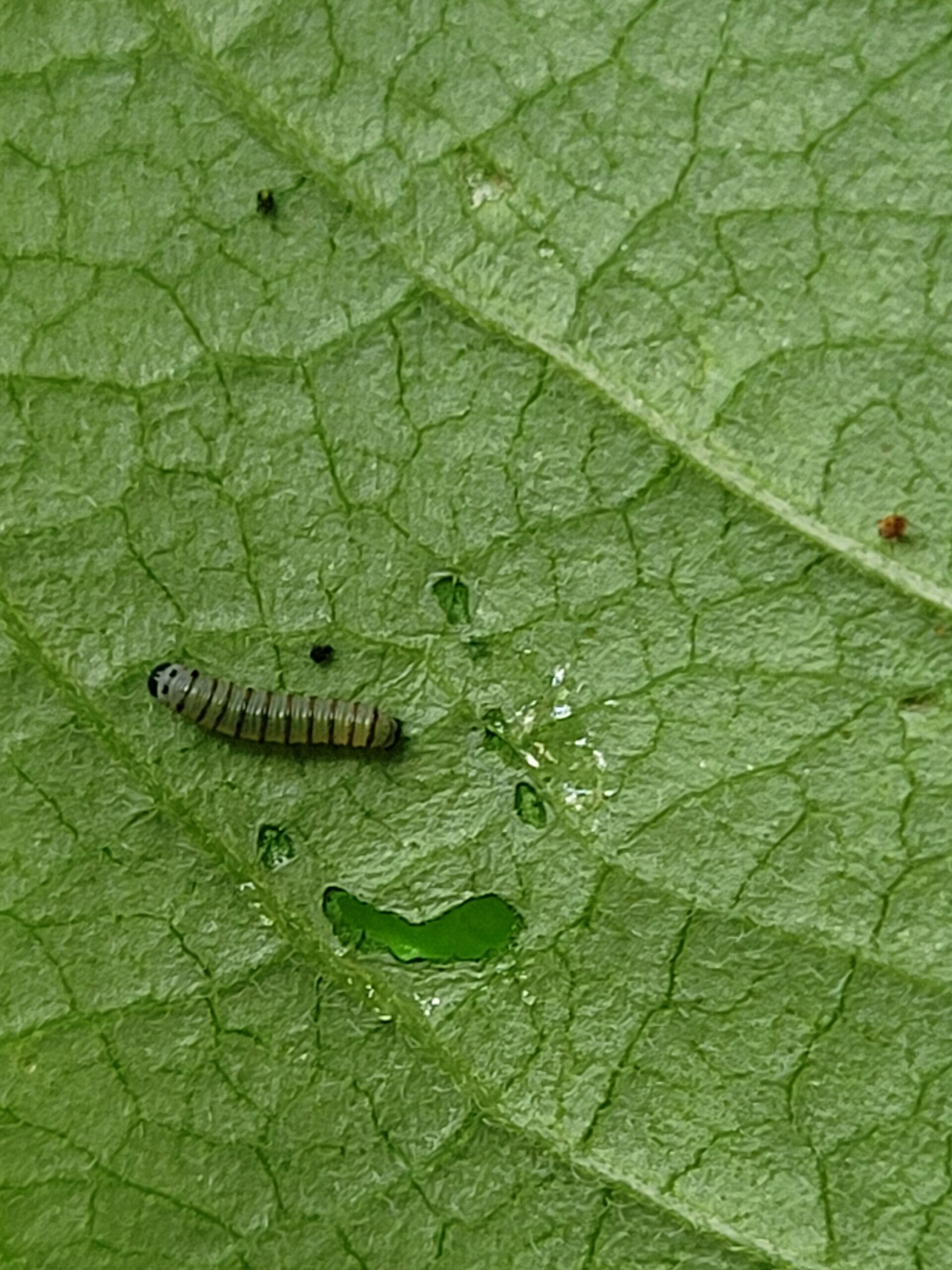
Monarchs are threatened due to habitat loss of both their host plant, milkweed, and their overwintering sites in Mexico and along the California coast. Milkweed is the monarch caterpillar’s only food source and provides a protective mechanism. The consumption of milkweed makes the monarch toxic which can induce vomiting and cardiac issues in a predator. As milkweed is removed for farmland, urbanization, or to create “attractive” landscaping, the monarchs have fewer places to lay their eggs. Insecticides also kill the caterpillars while herbicides poison their food source.
Eastern Monarchs migrate to Michoacán, Mexico each winter where they overwinter in oyamel fir trees. The trees in this particular location in Mexico are the ideal site to protect the monarchs from cold and extreme weather. These sites are threatened, however, as the trees are removed by illegal logging or for conversion to farmland, particularly avocado farms. Western Monarchs overwinter along the central and northern coast of California. These microclimates provide protection from cold and wind, dappled sunlight, and water to drink. One can visit these overwintering sites at Natural Bridges State Park in Santa Cruz, in Pacific Grove, or at Pismo State Beach Monarch Grove. These sites are also threatened, however, by urbanization and climate change.
First Presbyterian Church Palo Alto is an Earth Care Congregation of the Presbyterian Church USA. This recognizes the church’s intentional and ongoing commitment to the stewardship of creation. The idea of the pollinator garden was a natural outgrowth of the congregation’s concern for the environment and commitment to sustainability, conservation, protection, and stewardship of our natural resources.
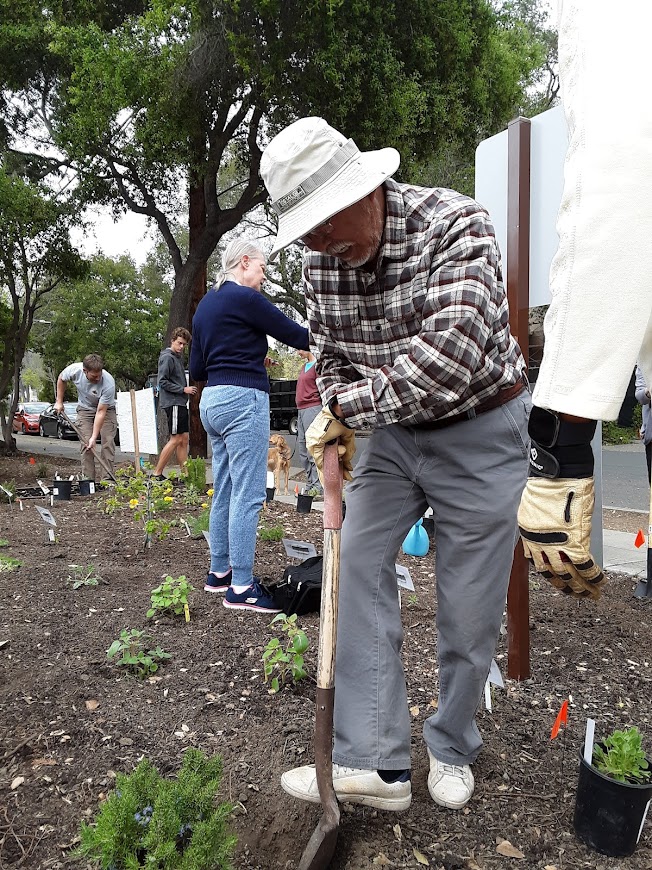
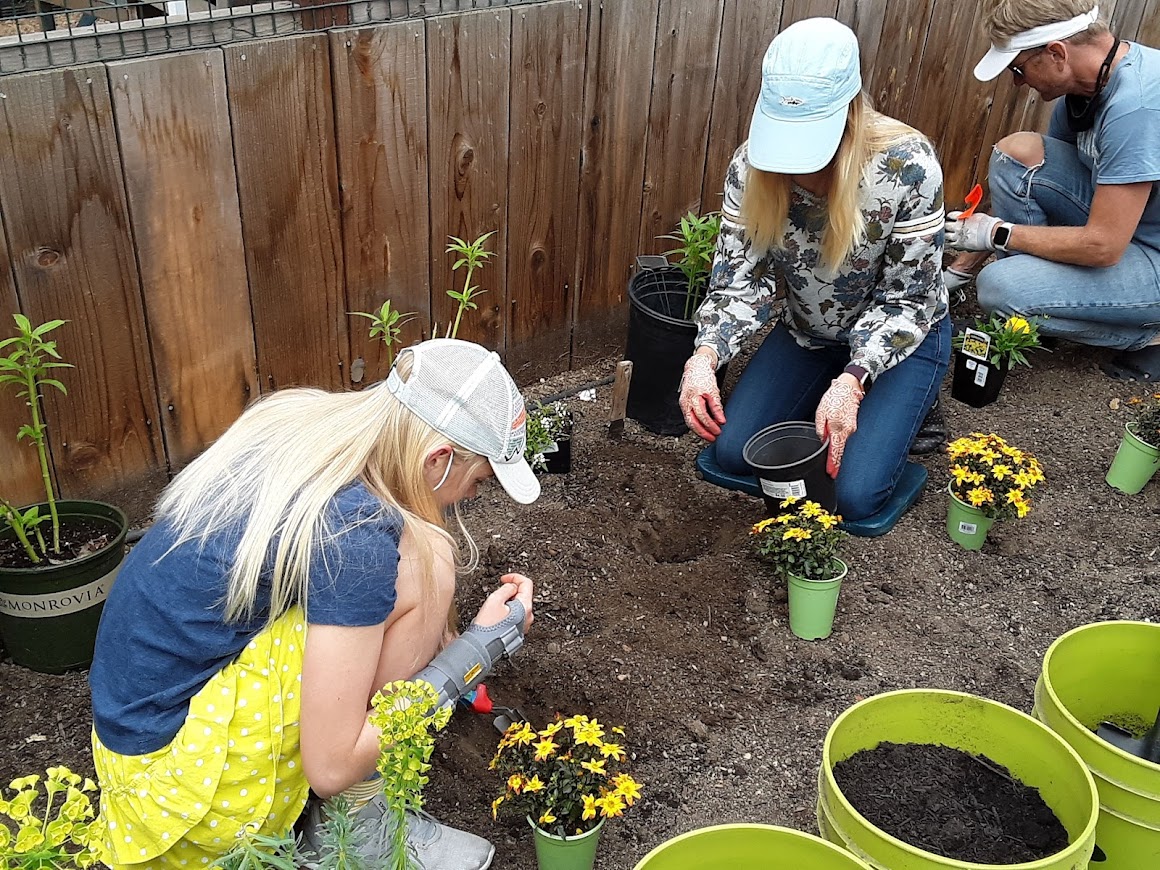
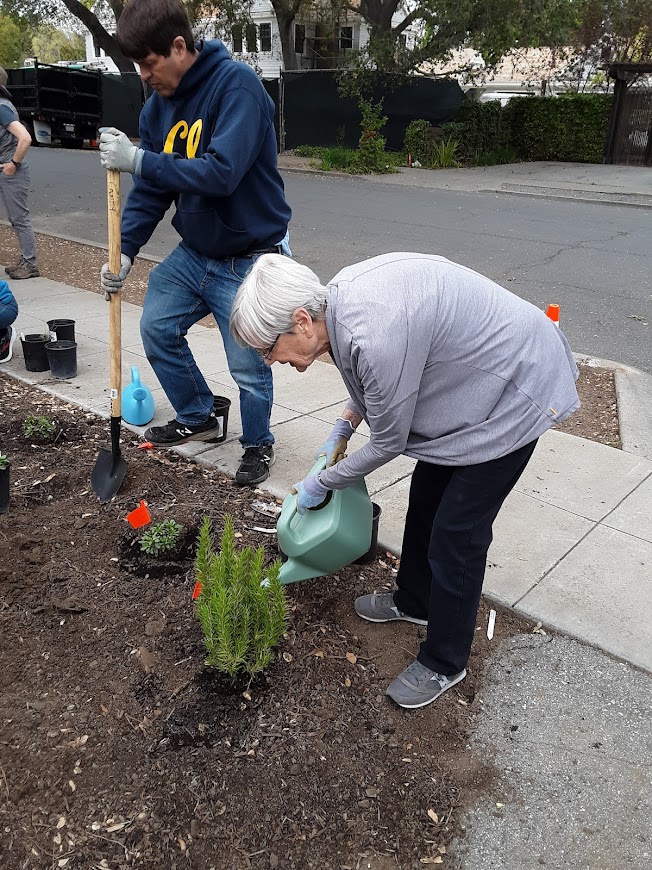
The Christian Education Committee identified a small plot of land on the property of First Presbyterian Church and worked with Eleanor Laney of Palo Alto Garden Club to design a pollinator garden. The area was originally landscaped with shrubs and non-native plants. Families of the church removed these, including the large knobby stumps, to create a blank canvas. The soil was then enriched and native milkweed and pollinator plants added to create a beautiful garden. A drip water system was installed to help sustain the plants. Church volunteers now maintain the garden, weeding, and adding new plants as needed.
The First Presbyterian Church Palo Alto Pollinator Garden is an invitation to wonder at the diversity and beauty of God’s creation. It is an intentional effort to support the pollinators that are essential to the earth’s survival. Those who pass by are invited to look closely for the pollinators buzzing around gathering nectar, to search the leaves of the native milkweed for caterpillars, and to feel a sense of awe at the beauty of the monarchs fluttering through the garden.
If you would like to create your own pollinator garden or simply to add native plants to your garden, these native plants would be an excellent choice:
Blue eyed grass (Sysyrinchium)
Buckwheat (Eriogonum grande)
California aster (Symphotrichum chilense)
California bee plant (Scrophularia)
California Brush (Baccharis pilularis)
California Fushsia (Epilobium canum)
California Lilac (Ceonothus ‘Julia Phelps’)
California Poppy (Eschscholzia california)
Clarkia, Elegant (Calarkia unguiculata)
Clarkia, Ruby Chalice (Clarkia rubicunda)
Coyote Mint (Mondarella villosa)
Goldenrod (Solidago veluntina)
Gumweed (Grindelia stricta)
Foothill penstemon (Penstemon heterophyllus)
Narrow leaf Milkweed (Asclepias fascicularis)
Oregon Grape (Berberis aquifolium)
Seaside Daisy (Erigeron glaucus)
Sticky monkey flower (Diplaucus)
Woodland Strawberry (Fragaria vesca)
Yarrow (Achillea millefolium)